
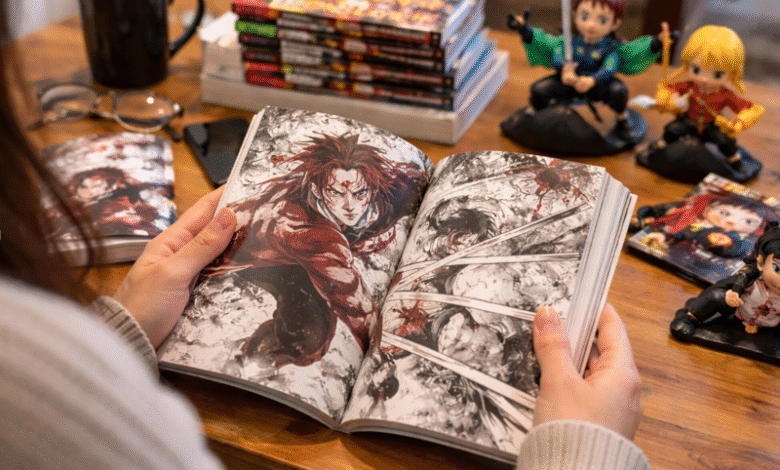
If you’ve heard about Demon Slayer but aren’t sure whether it’s too graphic, too intense, or too mature, you’re not alone. This massively popular manga series has captured fans all over the world with its breathtaking art, rich storytelling, and yes, some intense moments that raise questions. Whether you’re a concerned parent, a new manga reader, or someone just trying to figure out what all the hype is about, this article will guide you through the real level of violence in Demon Slayer. This isn’t just another flashy action series. Demon Slayer is both a sword-swinging battle epic and a deeply emotional story about loss, family, and survival. But how far does it go when it comes to gore and brutality? Let’s take a closer look without exaggeration, without downplaying just a real breakdown of what to expect from the pages of this worldwide phenomenon.
How graphic is the violence in Demon Slayer manga?
The violence in Demon Slayer is not constant, but when it appears, it can be quite vivid. The manga doesn’t shy away from depicting battles, injuries, and demon decapitations, often in stylized, detailed art that emphasizes movement, emotion, and impact. If you’re browsing the Demon Slayer figures, you’ll notice how much attention is given to battle stances, blade marks, and facial expressions that same attention is reflected in the manga’s visual storytelling.
But it’s important to put that into context: this isn’t senseless gore for shock value. Every scene serves a purpose in the narrative, whether it’s showcasing a character’s resilience, a demon’s cruelty, or the harshness of the world they live in. The violence often feels like a metaphorical battlefield of trauma and recovery like watching a beautiful, tragic dance with a blade. Compared to typical shonen manga, Demon Slayer pushes the envelope a bit further in how raw and emotionally charged its action scenes can be. It’s not gratuitous, but it doesn’t pull punches either. Readers will encounter:
- Severed limbs and decapitations
- Characters dying emotionally heavy deaths
- Monsters with disturbing designs
- Blood in moderate to large amounts
- Intense psychological moments
Despite all this, many readers don’t describe the violence as overwhelming. It’s often balanced by quiet, reflective moments and a strong sense of purpose. That’s what sets Demon Slayer apart the violence isn’t there just to be violent.
Is the violence appropriate for teens?
If you’re considering Demon Slayer for a teenager, the answer depends on the teen’s maturity and sensitivity to darker themes. On the surface, this is a series about sword fights and supernatural demons, but dig a little deeper, and you’ll find a story that deals with grief, fear, and the psychological toll of battle. The manga is rated T+ (13+) to M (17+) depending on region and publisher, and for good reason. It includes frequent scenes of:
- Bloodshed
- Disturbing transformations
- Torture or cruelty by demons
- Flashbacks of traumatic events
The visuals can sometimes be intense. A demon might tear apart a village, or a character might lose a loved one in graphic fashion. These moments aren’t just there to scare they are designed to leave a mark, emotionally and narratively. That said, many teens who are already familiar with popular series like Attack on Titan or Tokyo Ghoul will find Demon Slayer more tame in comparison. A good way to gauge whether it’s appropriate is by browsing some sample pages or checking out related anime figures if the art style and tone feel manageable, the story likely will too.
What makes Demon Slayer’s violence different?
Violence in Demon Slayer doesn’t feel empty. It’s almost poetic like reading a myth or a classical tragedy. Each slash of the blade, each scream, each moment of silence after a death all of it contributes to the larger emotional journey. The characters aren’t fearless warriors. They’re frightened, damaged, and often just barely holding on. That’s what makes the battles hit harder.
Emotional storytelling through combat
When Tanjiro swings his sword, it’s not just for survival it’s often a heartbreaking act of mercy. Many demons in this story were once human, consumed by their own pain. The true horror isn’t in the blood, but in their backstories.
The art direction and pacing
The manga balances violence with elegance. Koyoharu Gotouge’s art direction slows down key moments with powerful stills like a character falling through snow, or a demon fading into moonlight. These metaphorical visuals make even the most brutal moments feel meaningful. So yes, the violence is there, but it’s crafted with intention. And that makes all the difference.
See also: Stay Organized and Stylish: Why Every Student Needs a Lanyard Keychain
Who should avoid Demon Slayer manga?
Demon Slayer isn’t for everyone. People sensitive to visual violence, loss, or emotional intensity may find it overwhelming. While it’s not horror per se, some demon designs are grotesque, with unsettling body modifications or disturbing powers. If you’re expecting a light-hearted adventure, you might be surprised.
It may also not be the best first manga for a very young reader. Despite its mainstream popularity, its themes lean darker than they first appear. Here’s a quick look at who might want to steer clear:
- young children under 12
- readers sensitive to blood or death
- those avoiding themes of grief or trauma
- fans looking for purely comedic or romantic stories
That said, many readers find it profoundly inspiring. It’s a story about never giving up about facing your deepest fears and rising again. For those who can handle the intensity, Demon Slayer offers a powerful experience that resonates long after the last page.
Why the violence in Demon Slayer works
If violence in manga feels forced or out of place, it can ruin the experience. But in Demon Slayer, it’s part of the world like rain falling in a storm. You don’t question why it’s there; you just learn to listen to it. There’s catharsis in these battles. When characters fight, it’s often for family, for redemption, or for their fallen comrades. The narrative is soaked in emotion, and that adds real weight to every drop of blood spilled. In the end, the question isn’t just “is Demon Slayer violent?” It’s: does the violence mean something? And in this case yes, it does.
Final thoughts on the nature of violence in Demon Slayer
Demon Slayer is not a light read, but it’s a meaningful one. Its violence is bold, stylized, emotional, and purposeful never senseless. It might not be right for every reader, but for many, it offers a cathartic and unforgettable journey. If you’re ready to dive into a world where every cut tells a story, then this manga might just leave a mark on you in the best way possible. What do you think? Does emotional storytelling through battle speak to you?